



Introduction
In the fast-paced online world, search engine optimization (SEO) is considered one of the most important strategies that help websites appear on the first pages of search results. Whether you are a beginner in website management or have previous experience, you will find in this article the best SEO tips that will help you improve your site’s ranking and increase organic traffic.
Book a free consultation now from our site seotopsecrets
1. Understanding the Basics of SEO
What is Search Engine Optimization?
SEO (Search Engine Optimization) refers to a set of techniques that enable your website to appear on the first pages of search results. This includes keyword research, content optimization, and the technical aspects of the site.
Read more:What Is SEO – Search Engine Optimization?
The Importance of SEO in Building a Successful Website
SEO optimization helps attract interested visitors and increases trust in your website. Proper implementation of SEO principles contributes to improving your pages’ ranking and enhancing user experience, leading to a higher site retention rate and engagement with the content.
2. Keyword Research for SEO
How to Choose the Right Keywords for Optimizing Your Site
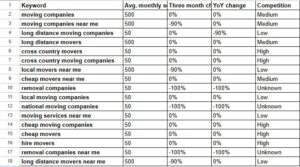
For a strong start, use tools like Google Keyword Planner and SEMrush to identify the best keywords related to SEO. Choose keywords that suit your site’s content and are searched for by your target audience such as “SEO strategies,” “content optimization,” and “link building.”
The Importance of Keyword Distribution
The term “SEO” and its synonyms should be evenly distributed throughout the text. Don’t limit yourself to the first paragraphs; use it in subheadings and later paragraphs to ensure good coverage of the SEO topic.
3. Content Optimization
Writing High-Quality Content
- Unique and Valuable Content: Provide new and useful information related to your topic that attracts visitors and encourages them to stay on your site.
- Using Clear and Simple Language: Make the content easy to understand and suitable for the target audience.
- Dividing Content: Use subheadings, short paragraphs, and bullet points to facilitate content reading.
For more, read: The Psychology of Writing Content: Analyzing Customers Through Content 2024
The Importance of Subheadings and Short Paragraphs
Subheadings help organize content and make it easier for visitors and search engines to understand the page structure. Short paragraphs enhance the reading experience and make the content more appealing.
4. Technical Website Optimization
Website Speed and Mobile Compatibility
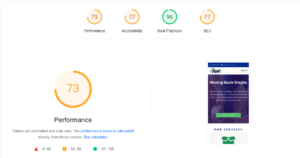
Website loading speed directly affects user experience and the site’s ranking in search results. Use tools like Google PageSpeed Insights to analyze and improve your site’s speed. Your site should also be compatible with all mobile devices to ensure the best user experience.

Internal and External Links and Navigation Ease
Using internal links helps distribute SEO strength within the site and enhances the navigation experience for visitors. External links from reputable sites increase your site’s credibility and improve its ranking in search engines.
5. Building Backlinks
Strategies for Obtaining Quality Backlinks
- Guest Blogging: Provide valuable content for other sites in your field and get links back to your site.
- Participating in Forums and Communities: Engage in discussions and add links to your site when appropriate.
- Collaborating with Influencers: Partner with influencers in your field to gain links and exposure for your site.
How to Avoid Harmful Links
Avoid buying links or using illicit methods to build links, as this can lead to penalties from search engines and harm your site’s ranking.

6. Performance Tracking and Continuous Updates
Using Analytics Tools
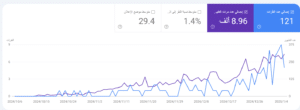
Use Google Analytics and Google Search Console to monitor your site’s performance, such as the number of visits, bounce rate, and keywords that bring in traffic. These tools help you understand what works and what needs improvement.
The Importance of Regular Performance Review
The market and technologies are constantly changing, so it is crucial to regularly review your site’s performance and adjust SEO strategies based on current data and analyses.
Practical Tips for SEO Improvement
- Use long-tail keywords in your titles: Long-tail keywords reduce competition and target a more specific audience.
- Optimize images using ALT tags:
- ALT tags help enhance search engines’ understanding of image content and improve user experience.
- Ensure load speed optimization using image compression and code minimization: Enhancing load speed improves user experience and reduces bounce rate.
- Use internal links wisely: Logically connect your site’s pages to enhance SEO distribution and improve navigation experience.
- Regularly update content: Updated content enhances your site’s credibility and shows search engines that you provide current and reliable information.
Examples and Case Studies
Example 1: Improving Website Speed
The site “Alf Beta” analyzed its speed using Google PageSpeed Insights and found that large images were slowing down loading. After compressing images and optimizing code, the website’s speed increased by 40%, resulting in a drop in bounce rate and a 25% increase in organic traffic.
Example 2: Building Quality Links
The site “GuitarC.com” wrote guest articles for popular music sites and received links back to its site. This helped improve its ranking in search results and increased visits from search engines by 30%.